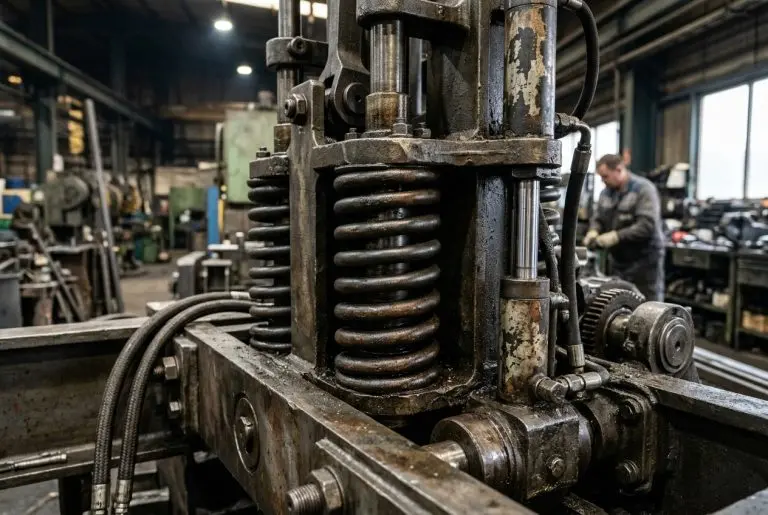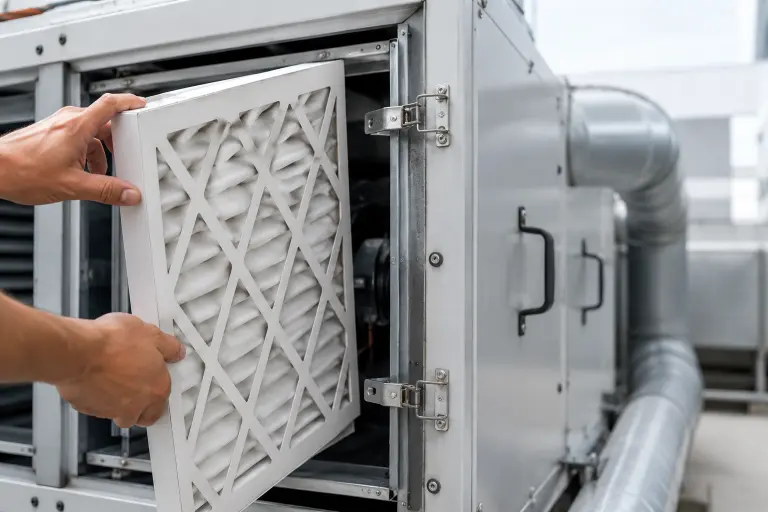


Construction equipment operates in some of the harshest working environments across any industrial sector. From heavy vibration and repeated load cycles to exposure to moisture, debris, temperature swings, and corrosive conditions, OEM components must be engineered for long-term durability and reliable mechanical performance.
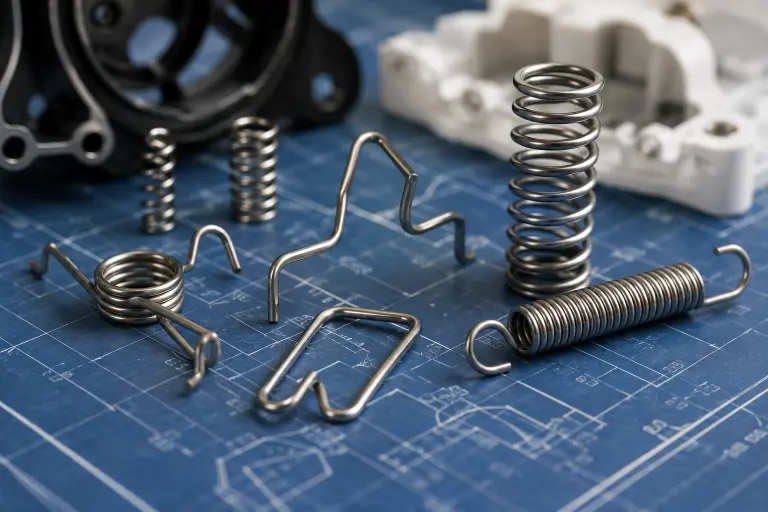
For construction equipment manufacturers, precision spring and wire form components play a critical role in maintaining equipment reliability, structural stability, and operational safety. Components such as torsion springs, expansion clips, retaining wire forms, and custom fastening assemblies help support motion control, secure mechanical systems, and withstand demanding field conditions.
Well-engineered spring and wire form solutions help construction OEMs improve equipment longevity, reduce maintenance issues, and support consistent performance across heavy-duty applications.
Why Precision Components Matter in Construction Equipment
Construction machinery relies on thousands of interconnected mechanical systems that experience continuous stress during operation. Even small components can directly affect equipment functionality, operator safety, and maintenance requirements.
Precision spring and wire form components help support:
- Secure component retention
- Controlled mechanical movement
- Vibration resistance
- Load distribution
- Structural stability
- Repeated motion reliability
Poorly designed or inconsistent components may lead to premature wear, alignment issues, fastener failure, or unnecessary downtime in the field.
For OEM manufacturers, component consistency and long-term durability are essential for maintaining equipment performance under extreme operating conditions.
Common Spring & Wire Form Applications in Construction Equipment
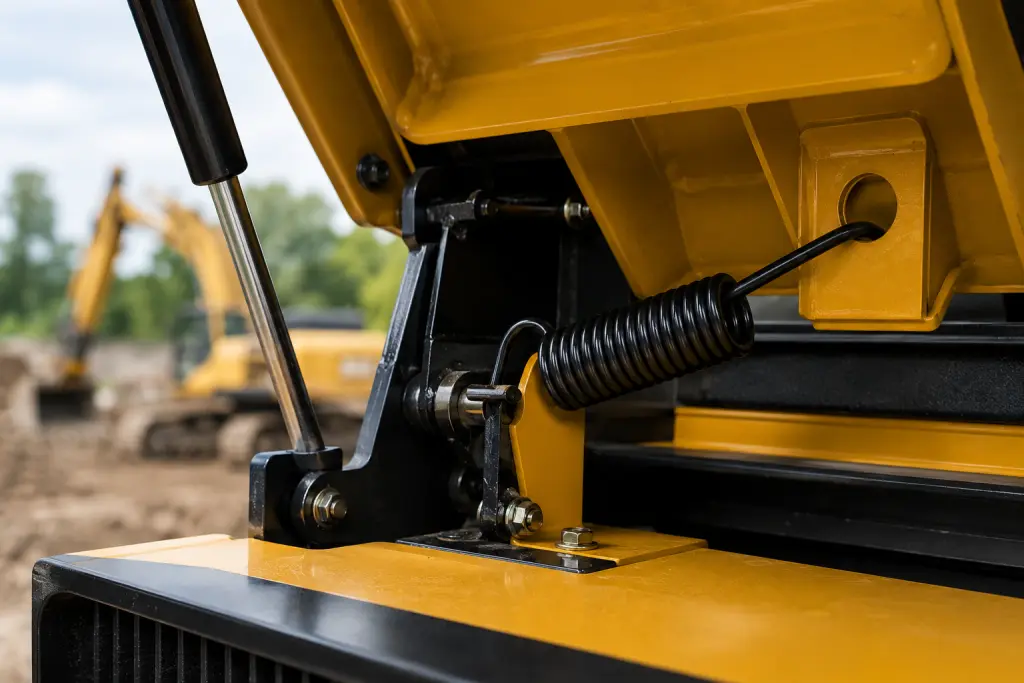
Construction OEMs utilize custom springs and wire forms across a broad range of equipment systems and assemblies.
Typical applications include:
- Heavy equipment access panels
- Hydraulic system retention assemblies
- Structural fastening systems
- Cable and hose management
- Latching and locking mechanisms
- Suspension and vibration control systems
- Operator cab components
- Engine compartment assemblies
- Material handling equipment
- Safety restraint and securing systems
These components are commonly integrated into excavators, loaders, bulldozers, cranes, paving machinery, compact equipment, and structural construction systems.
Torsion Springs for Construction Equipment
Torsion springs are frequently used in construction equipment where rotational force and controlled movement are required.
Common construction applications include:
- Door hinge assemblies
- Return mechanisms
- Lever systems
- Locking systems
- Counterbalance assemblies
- Mechanical actuation systems
Construction environments place significant stress on torsion spring components due to vibration, repeated cycling, shock loading, and outdoor exposure. Proper spring design helps ensure reliable torque performance throughout extended service life.
OEM engineers evaluate several critical design variables, including:
- Wire diameter
- Coil configuration
- Torque requirements
- Cycle life expectations
- Environmental exposure
- Mounting geometry
Precision manufacturing helps maintain consistent spring performance across large production runs and demanding operational conditions.
Learn more about custom torsion springs designed for industrial applications.
Wire Forms & Expansion Clips in Structural Assemblies
Custom wire forms and expansion clips are widely used throughout construction equipment to secure components, maintain positioning, and simplify assembly processes.
These components may support:
- Panel retention
- Fastening systems
- Electrical routing
- Hose and cable organization
- Protective guarding
- Removable access systems
- Structural reinforcement points
Engineered wire forms allow OEM manufacturers to create highly application-specific geometries that integrate directly into complex assemblies while maintaining strength and serviceability.
Expansion clips are particularly valuable in applications requiring:
- Secure retention under vibration
- Quick installation
- Repeatable assembly performance
- Simplified maintenance access
- Reliable clamping force
Precision forming processes help ensure dimensional consistency and repeatable fitment across high-volume production environments.
Environmental & Durability Considerations
Construction equipment components must withstand highly aggressive operating environments that can accelerate wear and material degradation.
OEM engineers often evaluate:
Corrosion Resistance
Construction machinery regularly operates in wet, muddy, dusty, and chemically exposed environments. Material selection and surface finishing are critical for maintaining component integrity over time.
Common material and finishing options include:
- Stainless steel
- Oil-tempered wire
- Galvanized finishes
- Zinc coatings
- Powder-coated components
- Specialty corrosion-resistant alloys
Load-Cycle Durability
Construction systems experience repeated mechanical cycling during daily operation. Springs and wire forms must maintain performance despite continuous stress, vibration, and dynamic loading.
Engineers evaluate:
- Fatigue resistance
- Stress limits
- Elastic memory
- Load retention characteristics
- Deformation resistance
Vibration Resistance
Heavy equipment generates substantial vibration that can loosen fasteners and stress mechanical assemblies. Precision wire forms and retaining components help maintain secure positioning throughout continuous operation.
Precision Manufacturing for Construction OEMs
Construction equipment manufacturers require highly consistent components capable of meeting strict mechanical and dimensional specifications.
Critical manufacturing considerations include:
- Material traceability
- Precision forming tolerances
- Heat treatment consistency
- Repeatable spring tension characteristics
- Quality inspection procedures
- Production scalability
Reliable manufacturing processes help ensure components maintain consistent fit, function, and durability across large OEM production volumes.
Supporting Construction Equipment Manufacturers With Engineered Components
Construction OEMs depend on precision-engineered spring and wire form components to support equipment safety, durability, and long-term mechanical reliability. From torsion springs and expansion clips to complex custom wire forms, these components help construction machinery withstand demanding operating environments while maintaining performance over extended service cycles.
Working with an experienced manufacturing partner helps ensure components are engineered for application-specific performance, environmental resistance, and repeatable production quality.
Explore additional solutions for the construction industry and discover engineered spring and wire form solutions designed for demanding OEM applications.
General FAQs
What are wire forms used for in construction equipment?
Wire forms are used in construction equipment for component retention, cable routing, structural support, fastening systems, and access panel assemblies. Custom wire forms help improve equipment durability and simplify assembly.
Why are torsion springs commonly used in construction machinery?
Torsion springs provide controlled rotational force and are commonly used in hinges, return mechanisms, latching systems, and counterbalance assemblies within construction equipment.
How do construction environments affect spring performance?
Construction environments expose components to vibration, moisture, dirt, corrosion, and repeated load cycles. Springs must be engineered for durability, fatigue resistance, and long-term mechanical stability.
What materials are commonly used for construction OEM springs?
Construction OEM springs are often manufactured using stainless steel, oil-tempered wire, galvanized steel, and corrosion-resistant alloys depending on the application requirements.
Why is corrosion resistance important for construction components?
Construction equipment frequently operates outdoors and in wet or abrasive environments. Corrosion-resistant materials and coatings help maintain component integrity and extend service life.
Engineering FAQs
How do engineers determine the correct spring design for construction equipment?
Engineers evaluate load requirements, cycle life, environmental exposure, mounting geometry, and space constraints to develop springs that meet application-specific performance requirements.
When should OEMs use custom wire forms instead of standard fasteners?
Custom wire forms are beneficial when equipment assemblies require specialized retention geometry, vibration resistance, or simplified installation that standard fasteners cannot provide efficiently.
How do manufacturers improve spring durability in heavy equipment applications?
Manufacturers improve durability through material selection, heat treatment processes, precision forming techniques, and protective surface finishes designed for harsh operating environments.
Why is dimensional consistency important for OEM spring components?
Dimensional consistency ensures reliable assembly fitment, predictable spring performance, and repeatable operation across large equipment production runs.
Designing Construction Equipment That Requires Reliable Spring & Wire Form Components?
Contact our team today! We work with OEM manufacturers to produce precision torsion springs, expansion clips, and custom wire forms engineered for durability, environmental resistance, and long-term mechanical performance in demanding construction applications.