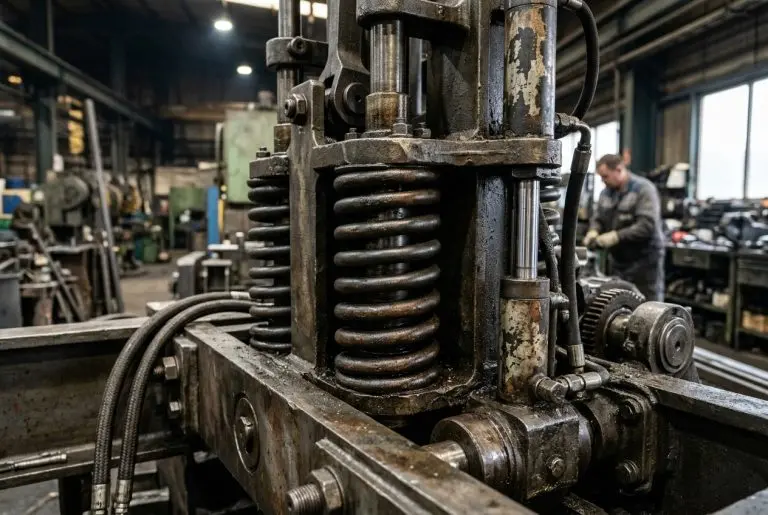


 Springs are ubiquitous mechanical components found in a wide range of machines and devices—from consumer goods to large-scale industrial equipment. For manufacturing, custom spring design specifications are essential to meet component requirements. Size, load weight, and material are necessary to fulfill design specifications. Before any of those specifications can be met, engineers will determine which type of spring is best suited for the application to function as designed.
There are many different types of springs that serve various mechanical purposes. Whatever the design requirements, all springs work by storing mechanical energy. The many varieties of springs are classified by how a load is applied to it. The load determines how the stored energy is released and thus, how the springs function.
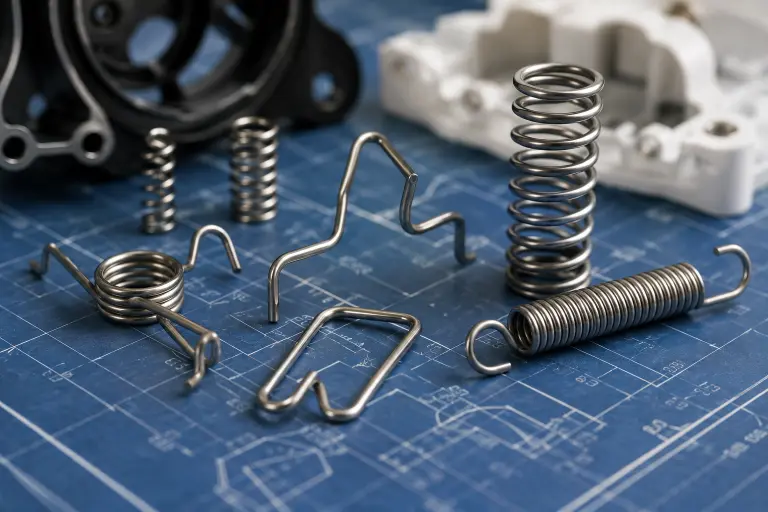
Two familiar varieties of springs are the extension spring and torsion spring. Though there are some similarities in the design, such as helical springs, each spring has designed unique and specific to their application requirements. Extension springs are designed to operate when a tensile load is applied. Torsion springs are designed to function when torque, a twisting force, is applied.
Extension Springs
Extension springs are a type of coiled springs with hooks or loops on either end. The ends attach to separate components that provide a pulling force when the components move apart. As the name suggests, extension springs derive their mechanical energy through tension by creating resistance when the components are pulled. The spring works to bring the components back together again by exerting a pulling force, i.e., it provides a return force once components have extended to an actuated position.
The design specifications of extension springs feature a closed-coil helical spring with interface geometry at either end. Normally this geometry consists of a hook or eye loop to be attached to opposing components. The interface geometry can be of varying custom shapes and sizes—oval, rectangular, teardrop-shaped determined at the design stage. The same applies to how tightly the spring is coiled to provide the initial tension. In custom designs, tension is manipulated to manage the particular load requirements of an application as well as the material and gauge of wire used.
Applications for extension springs are numerous, including many automotive component parts like carburetors, or for durable goods like washing machines, in garage door assemblies, farm equipment and machinery, and medical devices. Sizes and configurations depending on the specifications of the application. The custom design could include the desired lengths, the tension required, and the calibration of the spring load.
Torsion Springs
Torsion springs have helical shape and, similar to extension springs, the ends of each are attached to other components. However, mechanical energy for torsion springs is derived through the exertion of torque or twisting force around the center of a coiled spring. The components are rotated or wound in opposition to each other around a center axis. Mechanical energy builds via bending stress when the coil is wound. It is released when the spring pushes back to its original position.
Torsion springs are statically held in place by the components the ends are attached to. Think clothespin or mousetrap. Those are the prime examples of how energy is stored and released with torsion springs. The closely wound springs generally feature a pitch to reduce friction between the coils. The resistance to the rotationally applied force can be custom designed to rotate clockwise or counterclockwise.
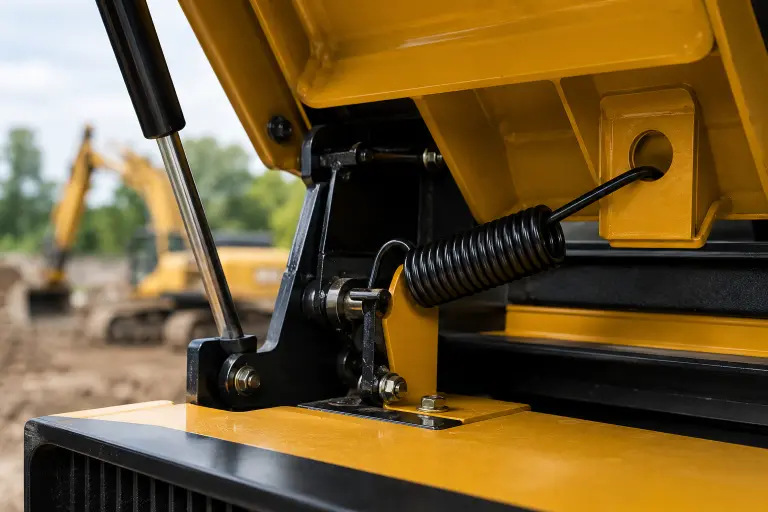
In addition to the aforementioned applications, torsion springs are commonly found in swing-down tailgates, garage doors, hinges, counterbalances and lever returns. Design specifications will determine the size and the load of the torque, which should be applied in the direction that the spring is wound. Keep in mind that design space is limited—as the spring is wound up its diameter is reduced while its body lengthens.
Torsion springs can have many design configurations and options but are designed to be actuated rotationally when providing an angular return force. The ends of the springs, its legs, may be attached in different ways. Leg considerations must be included in the design specifications—the angle, length, and legend style.
Before ordering custom extension or torsion springs, discuss your company’s project needs with engineers at James Spring. How the component will function will determine its size, weight load, required tension or torque, and so on. They can assist in determining material requirements for the spring, which is critical to performance. Whether choosing steel, copper, a particular alloy or other metal relates to the desired properties required of the metal. Its tensile strength, ductility, and even what environment the application will function in must be considered. To help with your custom spring design specifications, contact James Spring to realize your project goals to the fullest.