Browse our complete product lineup and find the right solution.

How Long Do Springs Last? Answers to Your Questions

Home | Blog | How Long Do Springs Last? Answers to Your Questions
Question MarkHow long can you expect typical stainless steel springs to last? This is a commonly asked question. You may think that as long as it doesn’t ever get stretched to the point of no return, a spring will always go back to its original shape. However, spring life is dependent on many factors.

Spring Design

Are they properly designed for the intended purpose? Many are not, and errors in spring design are prime reasons for premature spring failure. When selecting a spring, remember to be mindful of what it will be used for and how it will be used. Is spring strength more important or elasticity? If you are not certain, an expert can help guide your decisions.

Quality of Manufacturing Materials

The life of a spring is also related to the quality and modulus of elasticity of the material used when manufacturing it. Ensure that your springs are made from high-quality materials that are best suited for the desired application. For example, stainless steel springs are strong, with a low-stress relaxation and are resistant corrosion and heat. However, their performance is reduced in temperatures below zero degrees. Check out one of our recent blogs on commonly used spring materials to learn more.

Applied Stress & Environmental Conditions

If more force is applied than what the spring was designed to handle, breakage can occur. Extension springs can sustain irreparable damage if they are extended too far. If you keep the deflection of oil-tempered springs to a maximum of 25% of their total length, you can expect a long life. For a practical example of torsion springs, let’s talk about springs for garage doors. Garage door springs break because every time the door opens and closes, the spring wire bends a little. They normally wear at the same rate, and they can be expected to break within six months of each other if installed at the same time (which is recommended). The industry standard for these springs is a life cycle of about 10,000-15,000 uses or a spring life of about 5 years on average. You can choose to increase the spring wire by several sizes and increase spring life to over 100,000 cycles with extra long life springs.

Have More Questions About Stainless Steel Spring Life?

We can help. Contact the experienced industry experts at James Spring with questions about design, materials, and usage of the springs needed for your application.
author avatar
James Spring
James Spring is the author and content contributor at James Spring & Wire Company, a leading manufacturer of precision springs, wire forms, and metal components. With decades of industry expertise, James covers topics ranging from spring engineering and manufacturing processes to applications in automotive, medical, and industrial sectors.


Related Posts

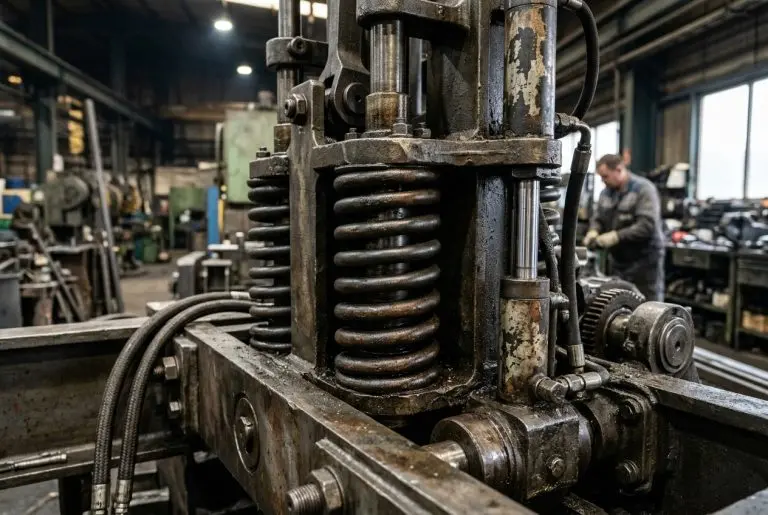
Close-up of a heavy metal press with coiled springs in a metal workshop; a worker is blurred in the background.

Industrial Spring Solutions for Machinery & Automation

In industrial machinery, a spring rarely gets a second chance. It cycles millions of times, holds load for years, and often works in heat, coolant, vibration, or contamination that would retire a lighter component in months. When an industrial spring drifts out of tolerance or loses load, it does not

Read more >
Custom Springs and Wire Forms

Custom Springs & Wire Forms in Consumer OEM Products

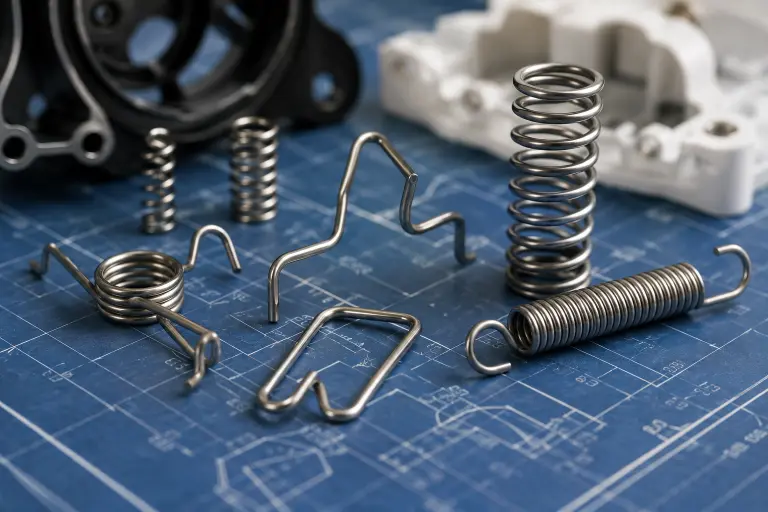
Consumer products are expected to perform reliably for years, often through thousands of cycles of use, changing environmental conditions, and repeated handling by end users. Whether it’s a door latch, window assembly, outdoor filtration system, appliance component, or recreational equipment, small mechanical components often play a critical role in product

Read more >
Torsion Spring

Engineered Spring & Wire Form Solutions for Construction OEMs

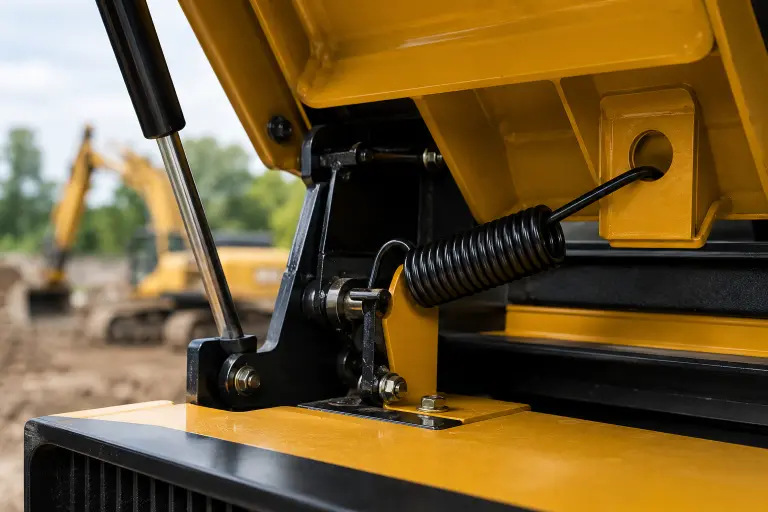
Construction equipment operates in some of the harshest working environments across any industrial sector. From heavy vibration and repeated load cycles to exposure to moisture, debris, temperature swings, and corrosive conditions, OEM components must be engineered for long-term durability and reliable mechanical performance. For construction equipment manufacturers, precision spring and

Read more >

Get Started

Ready to discuss your automotive component requirements? Our engineers are standing by.

James Spring

James Spring is the author and content contributor at James Spring & Wire Company, a leading manufacturer of precision springs, wire forms, and metal components. With decades of industry expertise, James covers topics ranging from spring engineering and manufacturing processes to applications in automotive, medical, and industrial sectors.

Facebook
LinkedIn

Recent Articles

Close-up of a heavy metal press with coiled springs in a metal workshop; a worker is blurred in the background.

Industrial Spring Solutions for Machinery & Automation

In industrial machinery, a spring rarely gets a second chance. It cycles millions of times, holds load for years, and often works in heat, coolant, vibration, or contamination that would retire a lighter component in months. When an industrial spring drifts out of tolerance or loses load, it does not

Read more >
Custom Springs and Wire Forms

Custom Springs & Wire Forms in Consumer OEM Products

Consumer products are expected to perform reliably for years, often through thousands of cycles of use, changing environmental conditions, and repeated handling by end users. Whether it’s a door latch, window assembly, outdoor filtration system, appliance component, or recreational equipment, small mechanical components often play a critical role in product

Read more >
Torsion Spring

Engineered Spring & Wire Form Solutions for Construction OEMs

Construction equipment operates in some of the harshest working environments across any industrial sector. From heavy vibration and repeated load cycles to exposure to moisture, debris, temperature swings, and corrosive conditions, OEM components must be engineered for long-term durability and reliable mechanical performance. For construction equipment manufacturers, precision spring and

Read more >